
Two Different Services, Often Confused
Many agents lump them together as 'property rendering'. In practice they are two distinct tools with different use cases, pricing and outputs. Understanding the difference lets you pick the right one first time — saving time and money.
This article explains the practical difference, shows visual examples and helps you decide which to use for your specific listing.
What Virtual Staging Is
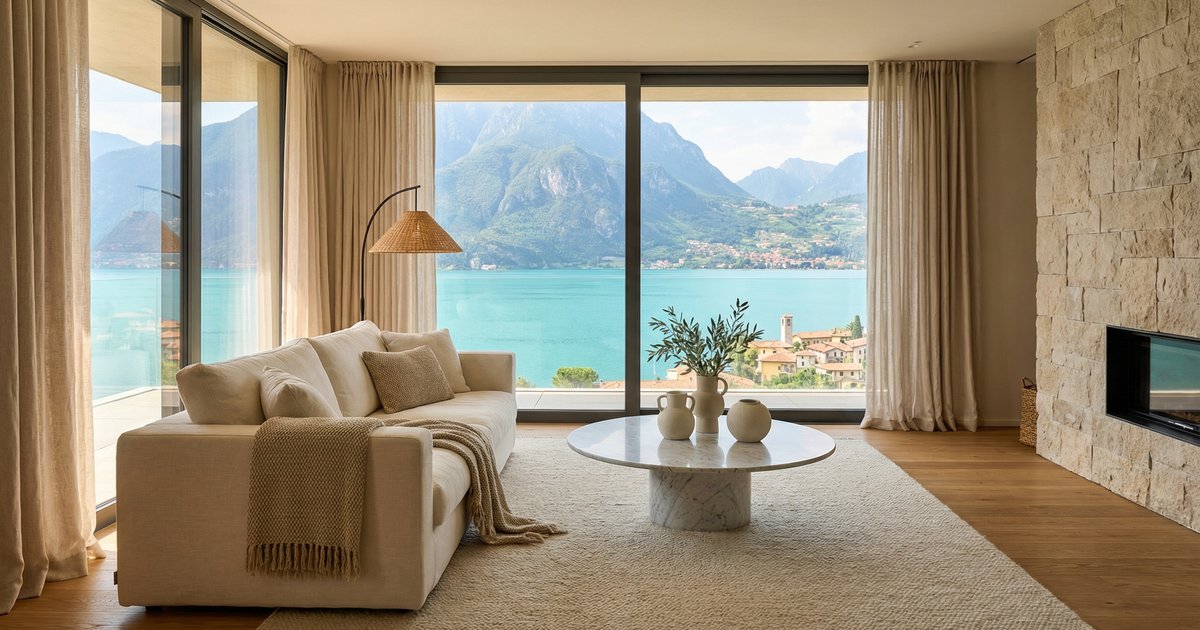
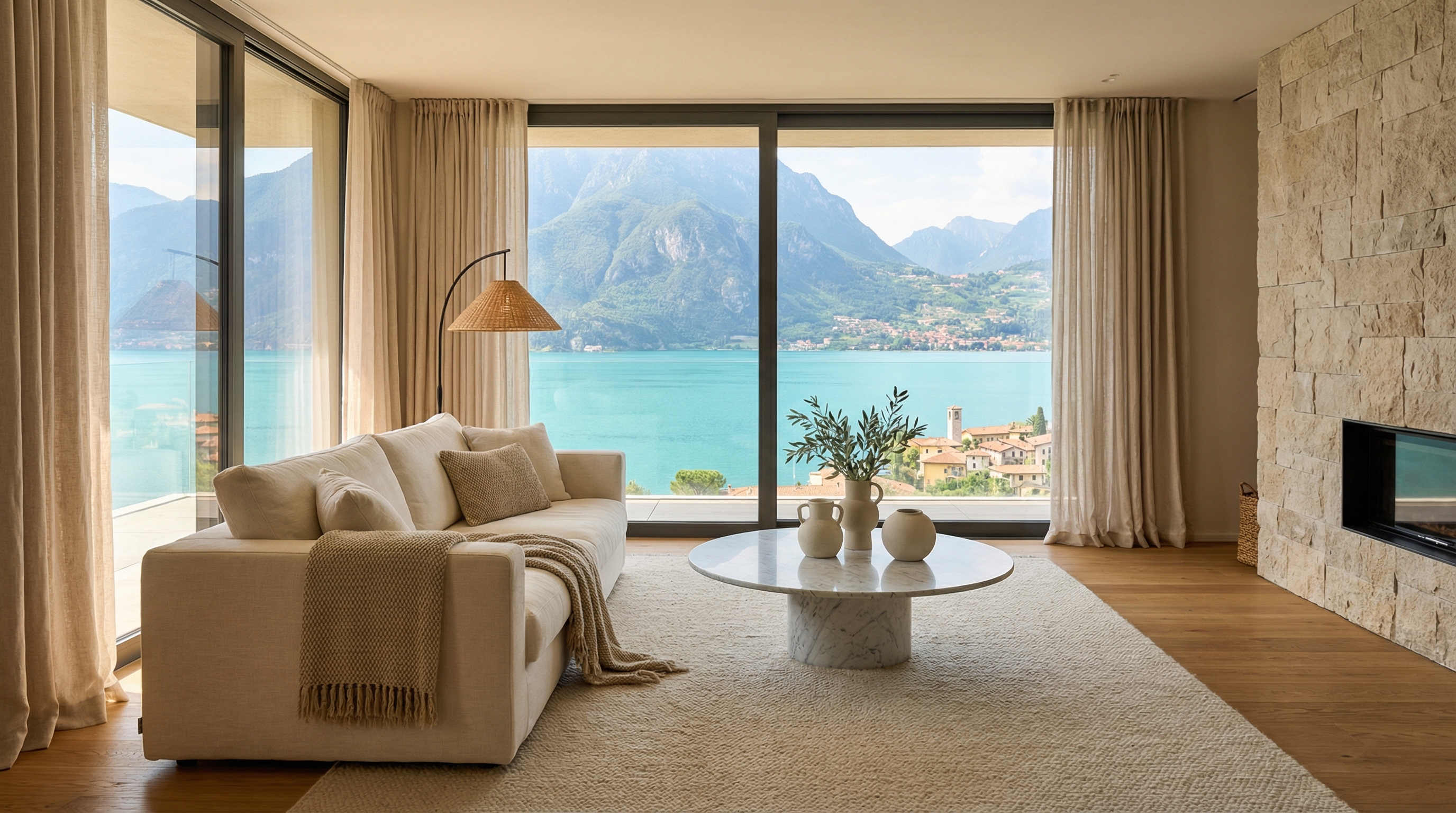
Virtual staging takes a photo of an actual room (often empty) and digitally adds furniture, accessories and styling. Floors, walls, windows, doors stay exactly as in the original. The AI 'furnishes' the room virtually.
Typical use cases: empty rooms in a property for sale; rooms with dated furniture from the previous owner you want to 'replace' visually; short-let flats you want to show furnished.
From €55/photo, 24h delivery, 5 styles (modern, classic, Scandinavian, boho, luxury). Output is photorealistic — indistinguishable from a real furnished room.
What Interior Rendering Is
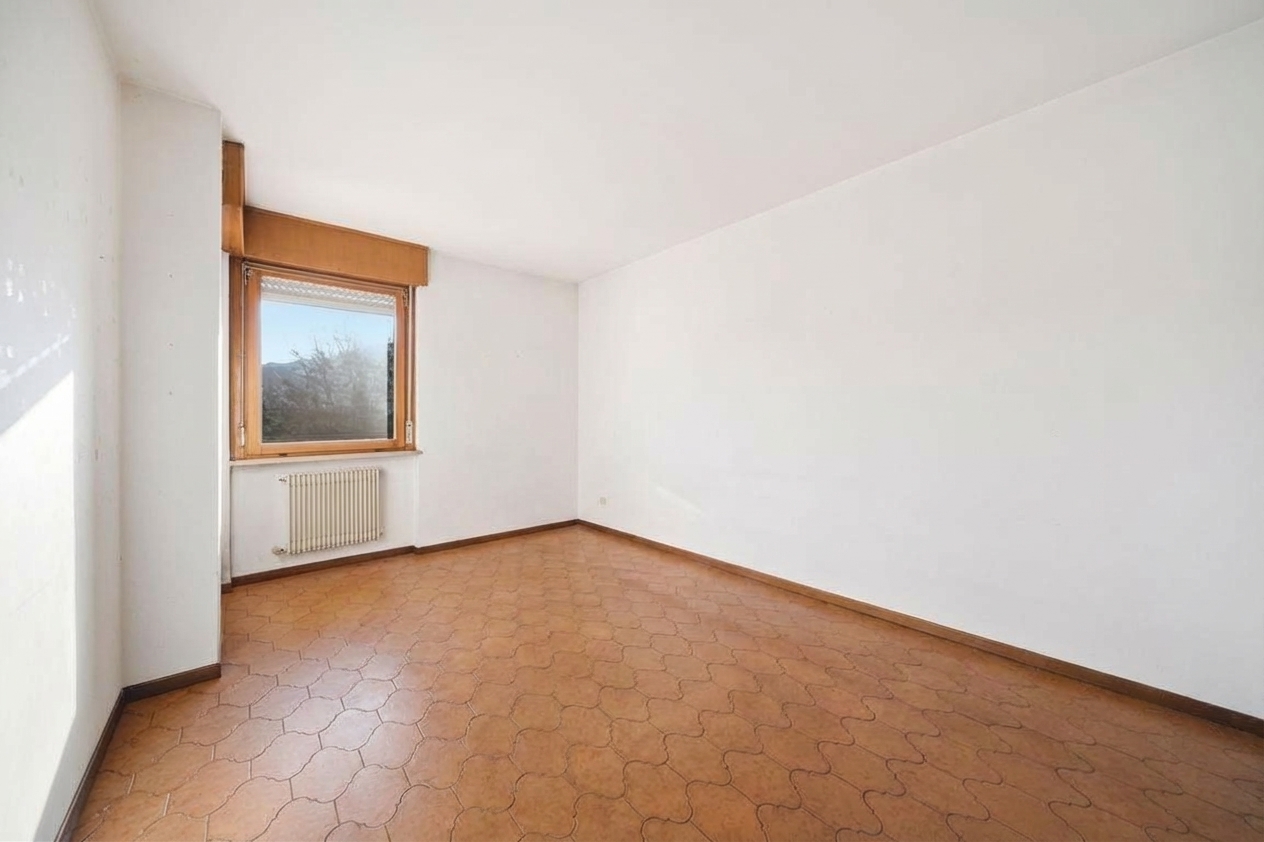
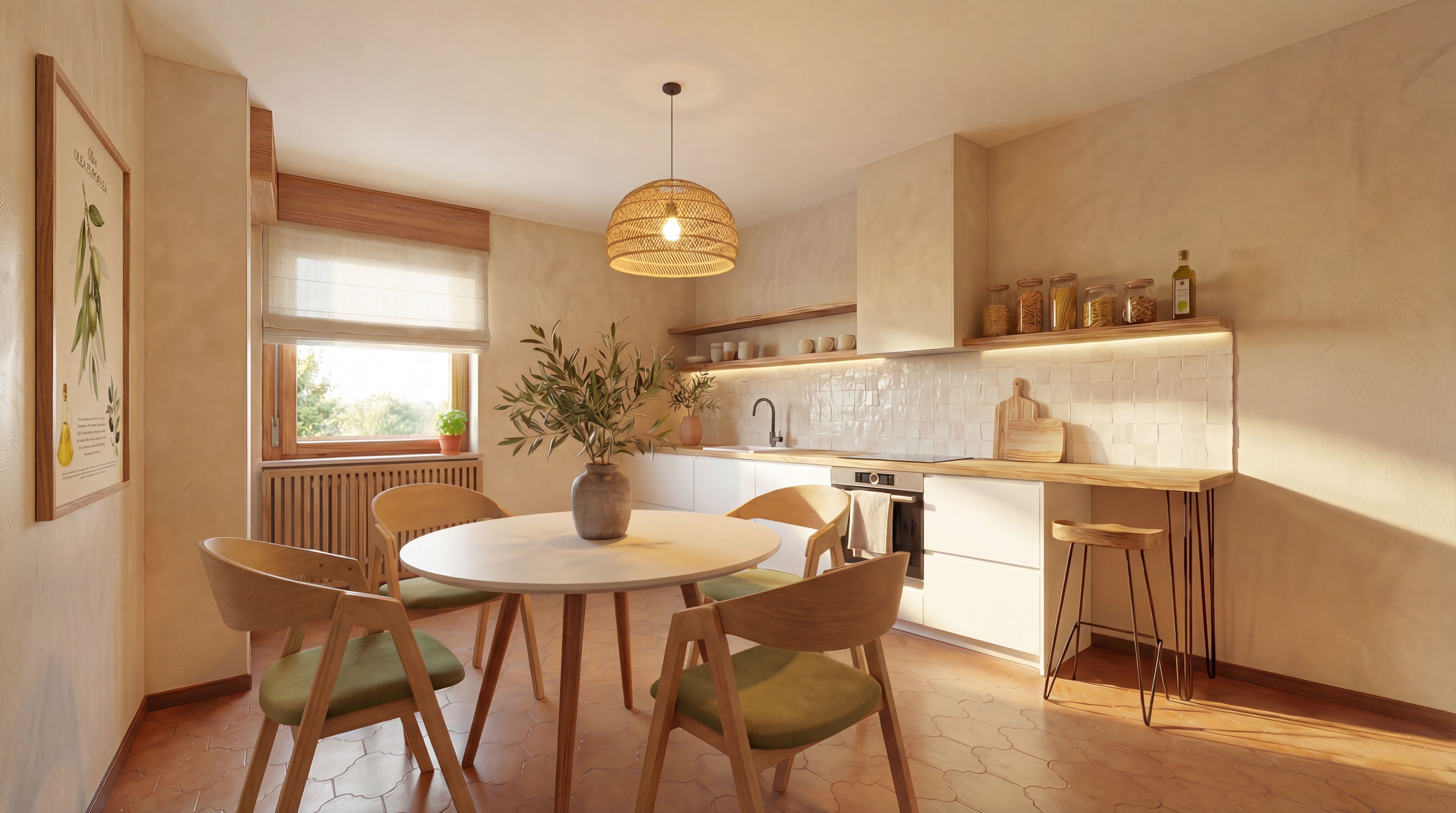
Interior rendering takes a photo (even of a building site or a 1970s flat) and shows what it will look like AFTER a complete renovation. The AI changes floors, walls, kitchen, bathroom — everything.
Typical use cases: properties to renovate for pre-sale; new builds for off-plan buyers; flips where you want to show the final result before starting works.
From €45/photo, 24h delivery. Allows customisation of flooring, walls, units, lighting.
When to Choose Which
Case 1 — Empty, recent, ready flat: virtual staging. €55/photo, shows how the new owner could furnish it.
Case 2 — Dated flat with old furniture: rendering. €45/photo, shows the renovated outcome.
Case 3 — Building site: rendering for each room.
Case 4 — Empty industrial loft: virtual staging. The style is already 'industrial-chic', just add furniture.
Case 5 — Luxury house to renovate: mixed pack (staging for completed areas, rendering for areas needing work).
Bottom Line
Staging = furnish virtually (structure unchanged). Rendering = renovate virtually (structure changes). Similar pricing (€45-55/photo), same delivery time (24h), both available in 5- and 10-image packs.
For most standard listings (empty flats or rooms with refresh-able furniture): staging. For renovations and flipping: rendering. If you need both, combine the services in a professional order with a €99 minimum online payment.