
Virtual Home Staging & Rendering in Rome
Rome — 28,000 transactions a year, 3,000 agencies, millions of listings online. AI virtual staging is the key to making your properties stand out in the capital.
The Rome Property Market in 2025-2026
Rome is Italy's largest property market by transaction volume. With over 28,000 annual transactions spread across a vast territory, the capital offers a uniquely diverse range of segments: from the baroque historic centre to the residential districts of EUR, from the rioni of Trastevere and Testaccio to the expanding suburbs.
Prices by area
- Historic centre, Prati, Parioli: 5.500€/m²
- Tiburtina, Tuscolana, eastern suburbs: 2.000€/m²
Rome is the city where selling a property costs the most in terms of time — and taxes. With an average wait of 5–7 months (the worst figure among major Italian cities), a vendor selling a three-bed in Prati at €450,000 pays roughly €3,200 in IMU, €1,800 in service charges and €600 in utilities while they wait. That is €5,600 burnt in holding costs. Trastevere agencies that began using virtual staging in 2024 documented an average reduction in selling times from 6.2 to 3.8 months — a real saving of €2,400 for the vendor and a commission collected 10 weeks sooner for the agency. In Parioli, where 200 m² flats sit empty after an inheritance, virtual staging transforms dated interiors into contemporary propositions without touching a wall.
Why Virtual Home Staging Works in Rome
Rome has a problem no other Italian city faces: the logistics of physical home staging are a nightmare. Active ZTL in the historic centre, one-way streets in Trastevere barely 3 metres wide, seventeenth-century buildings with no lift, doorways too narrow for a sofa. Physically staging a flat in via dei Coronari means applying for council permits, hiring a van with a ZTL pass, and carrying furniture by hand up spiral stairs to the third floor. Cost: €8,000–15,000 and 2 weeks of work. Virtual staging eliminates all of this: it works on the photo, not the physical space. In a city where moving a wardrobe is a logistical feat, staging virtually is not a luxury — it is the only practical solution.
Rome's housing stock tells 2,000 years of history, and this creates a unique selling challenge: how do you present a flat with eighteenth-century frescoed ceilings in Monti, original cotto floors in Trastevere, or a barrel-vaulted salon in Parioli? Physical staging risks looking out of place. Virtual staging lets you insert furnishings that dialogue with the historic architecture — a contemporary sofa beneath a fresco, a modern kitchen in a beamed room — showing that living in the historic centre need not mean sacrificing comfort. For EUR flats, by contrast, staging emphasises the rationalist lines with minimal furniture that highlights the geometry.
Rome has three property markets in one: traditional residential (Roman families), rental investment (students at La Sapienza, LUISS and Tor Vergata — 200,000 non-residents), and diplomatic-international (embassies, FAO, UN organisations). Each segment looks for different things. The student wants to see that a bed, a desk and a wardrobe fit in the San Lorenzo one-bed. The diplomat in Parioli wants a reception salon. The investor wants to understand how many rooms can be carved from a large-format flat in Testaccio. Virtual staging lets you show the same property with different configurations for different targets — and in a market of 28,000 annual transactions with 3,000 agencies, that flexibility is a decisive competitive advantage. See our up-to-date rendering prices and read our complete guide to real estate rendering.
Our Services for Rome Agencies
Enhance capital city properties with AI rendering
Virtual Home Staging
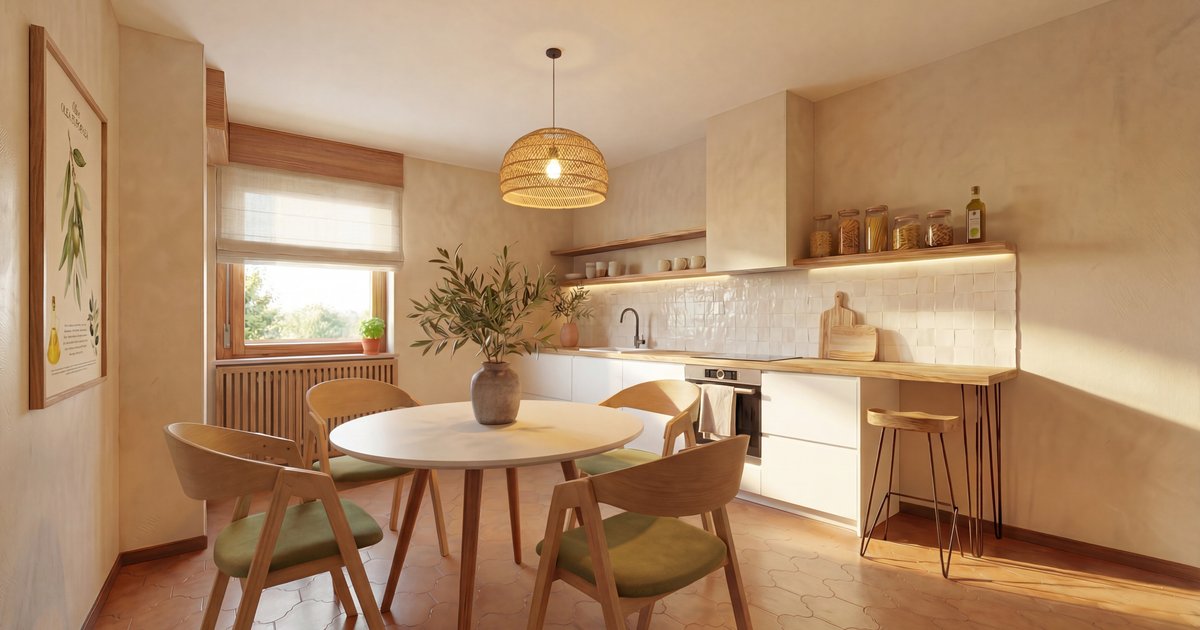
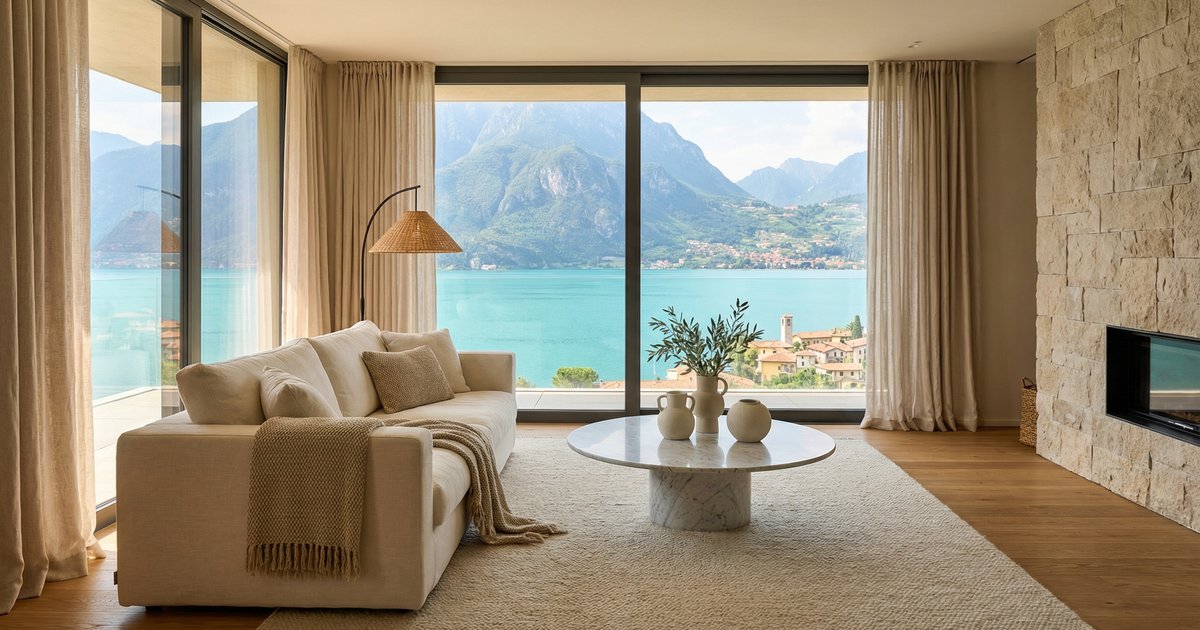
Furnish historic centre apartments, Testaccio flats and EUR villas. Tailored styles for every neighbourhood in the capital.
Interior Rendering
Visualise renovations of period apartments in Trastevere, Prati and Monti. Show the potential without touching a wall.
Furnished 2D Floor Plan
Professional floor plans for a market where buyers evaluate dozens of properties before visiting.
Exterior Rendering
Photorealistic rendering of facades and gardens. Ideal for properties under construction or renovation.
Video Home Staging
Transform static photos into cinematic videos that bring your property listings to life.
How It Works
Real scenario: an inherited three-bed in Trastevere, empty for 8 months, with IMU ticking away.
Thursday: viewing in vicolo del Cinque
The agent enters the second-floor flat — no lift — coffered ceilings, cotto flooring, 95 m² overlooking the rooftops. Empty, dusty, inherited. They take 6 phone photos between the afternoon shafts of light.
Friday: choosing style and target
They select Classic-Contemporary: modern furnishings that respect the historic ceilings. Target: international couple, budget €480K, seeking 'Roman charm' without sacrificing a functional kitchen. Our team prepares furnishings in keeping with the architecture.
Saturday evening: the listing is live
6 renderings delivered. The flat that looked like an abandoned storeroom now shows a living room with a full-wall bookcase, a bedroom with a king-size bed and natural light from the skylight, a kitchen with an island beneath the beams. Sunday: 8 enquiries. Tuesday: 3 viewings. Within 3 weeks an offer arrives — after 8 months of stalemate.
Home Staging & Rendering Prices in Rome
Every new payment has a €99 minimum. Orders fully covered by prepaid credits require no new payment.
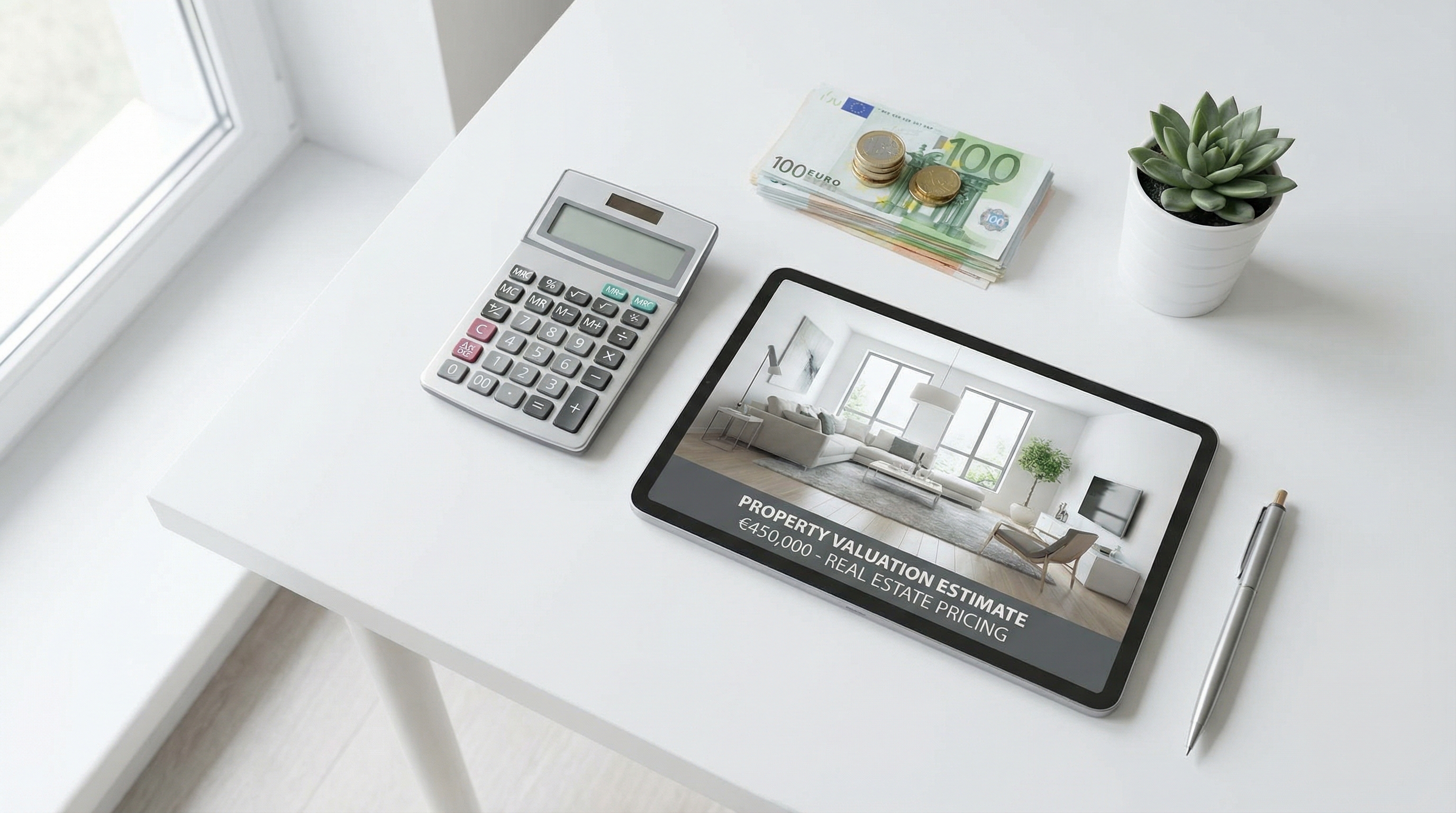
A Roman vendor waiting 6 months to sell pays roughly €5,600 between IMU, service charges and utilities on the empty flat. Physical staging in the centre — with a ZTL permit, hand-carrying furniture up stairs with no lift, furniture hire — adds another €10,000. Virtual staging for the entire flat (6 rooms) costs around €130 in total. Less than a fine for unauthorised ZTL entry.
Frequently Asked Questions — Rome
On the contrary: our AI is trained to recognise and preserve prized architectural elements. Frescoed ceilings, stucco cornices, cotto floors and barrel vaults are kept intact. Virtual furnishings are positioned to enhance these elements, not conceal them. For historic Roman flats, this is one of our most appreciated strengths.
Data from Roman agencies using our service show an average reduction in selling times from 6 to 3.5 months. On IMU of €800/month, that means saving roughly €2,000 in property tax alone. Add service charges and utilities on top. Virtual staging at €26 per photo is probably the investment with the highest ROI you can recommend to your client.
Yes, this is a frequent request in Rome where many large-format flats (120–180 m²) are subdivided for investment. We can create renderings of the current configuration (one family apartment) and the post-subdivision configuration (two independent one-beds for letting). The investor immediately sees the rental potential, and you close the deal faster.
In Rome the student lettings market is enormous: 200,000 non-residents search for accommodation every year. A one-bed in San Lorenzo with photos of empty rooms and peeling walls receives 5 enquiries. The same one-bed with virtual staging — bed, desk, bookcase, study corner — receives 30 in 48 hours. For landlords letting to students, virtual staging reduces void periods from 2 months to 2 weeks.
The diplomatic and international segment is well represented in our Roman portfolio. For prestigious flats in Parioli, Prati or the Aventine we use the Luxury-Classic style with high-end furnishing: salons with leather sofas, 10-seat dining rooms, studies with walnut bookcases. This segment requires images that communicate prestige and functionality for entertaining — and that is precisely what virtual staging can show without physically fitting out 200 m² of flat.
Make Your Listings Stand Out in Rome
AI virtual staging for capital city agencies. 28,000 transactions a year — make sure your properties sell first.